What happens in the first meeting
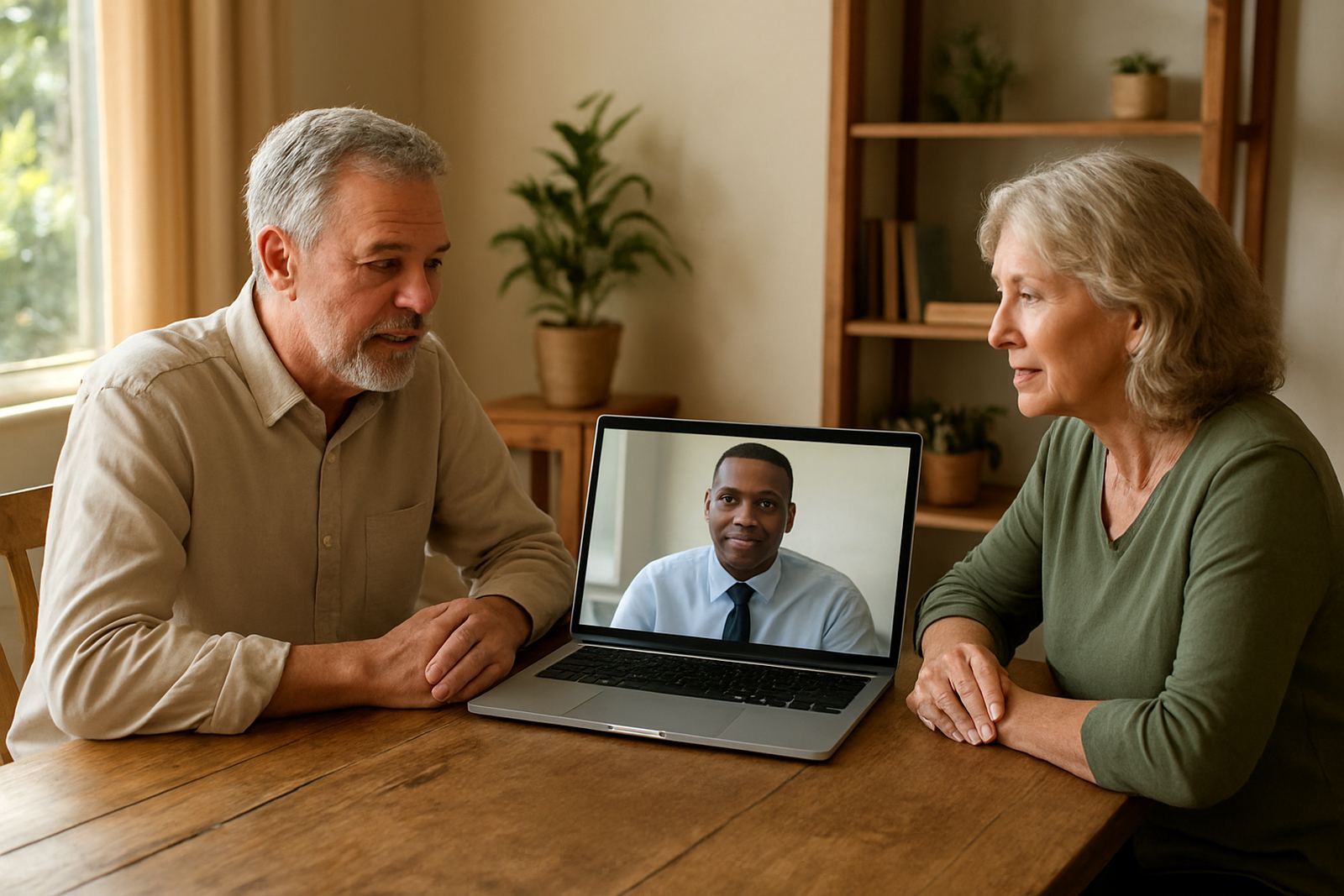
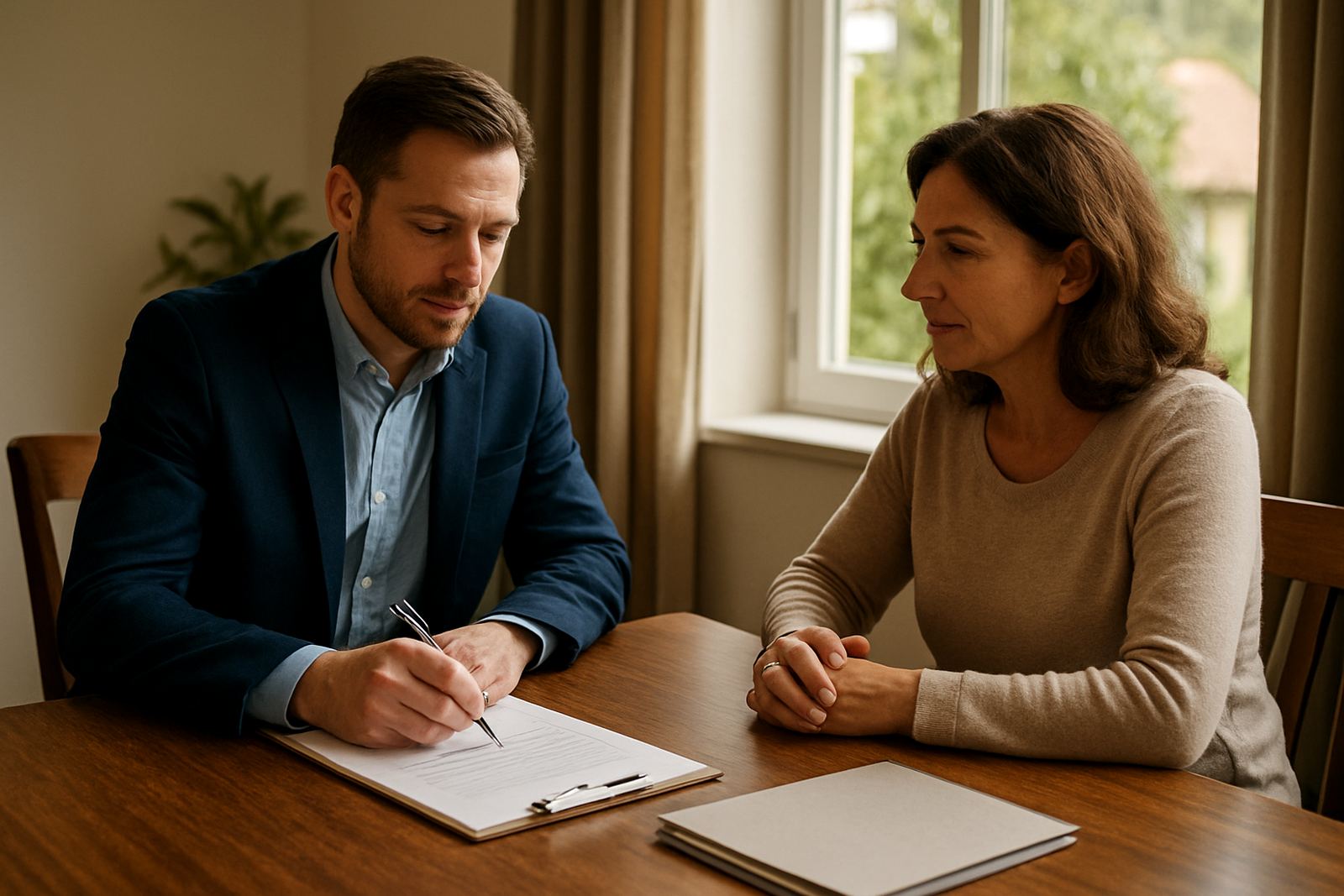
The first consultation is an introductory conversation, not a hard sell. We start by understanding your situation, your priorities and the people who depend on you. That may include a spouse, children, business partners, trustees or elderly parents. If you are based in Stellenbosch, Cape Town, Paarl, Johannesburg, Durban or elsewhere in South Africa, the process is the same and can be done in person or by video.
We will talk through the structure of your estate, your current will, any trusts, retirement assets, business interests and practical matters such as liquidity and future care. The aim is to identify gaps, possible delays and places where your plan may not match your wishes. This first step is about clarity, not pressure, and we keep the pace steady so you can ask questions.
Documents to bring or have ready
You do not need everything perfectly sorted before you arrive. Bring what you can and we will work with the information at hand. If a document is missing, we will note it and advise what to collect next. A clear file makes the discussion far easier, especially when there are multiple properties, investments or a family business in the mix.
- Your current will, if you have one
- Marriage certificate or antenuptial contract, where applicable
- ID copies for yourself and your spouse or partner
- Latest statements for investments, retirement funds and bank accounts
- Title deeds, bond statements and any loan agreements
- Trust deed and trustee details, if a trust is already in place
- Shareholding records or partnership agreements for business owners
- Names and ID details of beneficiaries and executors
If you are gathering documents at short notice, do not panic. Even a partial pack gives us a proper starting point, and we can follow up on the rest after the meeting.
Questions we normally work through
A good first meeting covers the facts and the family side. We ask about who you want to provide for, what assets are available, and whether there are any dependants, second marriages or children from previous relationships to consider. For business owners, we also look at how a shareholding, loan account or key person role could affect the estate. A bit of detail now can prevent confusion later.
We also discuss your broader plans, such as whether you want to leave assets directly, use a trust, or keep certain funds available for a spouse, minor children or a parent who may need support. Retirement income planning may form part of the conversation too, particularly if your income will change in the coming years.
- Who should inherit what, and why
- Whether minors are involved
- Who should act as executor or trustee
- Any tax, debt or liquidity concerns
- How a business should be handled if you die or become unable to lead it
How to prepare your family conversation
It helps to think about the meeting as a family planning session, not just a paperwork exercise. If there are sensitive topics, such as unequal inheritances, blended families or a family business transition, write down what you want to say before you arrive. That keeps the conversation clear and avoids misunderstandings. Some clients prefer to attend alone first, then bring a spouse or adult child to a later meeting.
If you are worried about how relatives will react, say so. We often help clients structure family meetings and succession conversations in a way that is respectful and practical. The point is to make sure the people involved understand the plan, so there are fewer surprises later on. In many cases, one careful conversation now saves months of confusion down the line.
What we look for in wills, trusts and liquidity
Many estates fail on small details rather than big mistakes. We check whether your will is valid, whether your beneficiaries are up to date, and whether the assets inside and outside a trust are aligned with your wishes. We also look at liquidity, which is the cash available to cover costs such as estate duty, administration fees, bond balances and immediate family expenses. If there is not enough liquid cash, the estate can become slow and stressful for those left behind.
For trust structures, we review the purpose of the trust, who the trustees are, and whether the setup still makes sense for the family. Coastal humidity, inland growth or changes in property values do not affect the legal basics, but they can change the shape of your assets over time. That is why plan reviews matter, even when nothing major seems to have changed.
After the meeting: the next practical steps
Once the first meeting is complete, we summarise what we found and set out the next actions. That may include drafting or updating a will, refining trust instructions, mapping assets, scheduling beneficiary reviews or setting up a follow-up on retirement income. If a family meeting is needed, we help arrange that too. You should leave with a clearer picture of what is in place and what still needs attention.
If you are in Stellenbosch or another major centre, we can continue the process in person. If you are elsewhere in South Africa, video consultations keep things moving without unnecessary travel. The main thing is consistency. A strong first meeting gives you a proper route forward, and helps your family understand the plan instead of guessing later on.