

What should I bring to a first planning meeting?
Bring the facts we need to map your position properly. That usually includes your ID document, current will if you have one, trust deed if a trust already exists, recent investment statements, retirement fund details, business ownership documents and a list of major assets and liabilities. If you are married, tell us the marital regime too, because community of property, antenuptial contracts and accrual can all affect planning.
For families with property in Stellenbosch, Cape Town or elsewhere in South Africa, it also helps to have title deeds, bond statements and any loan agreements tied to the business. If there are minor children, dependants with special needs or cross border assets, please mention that early. It saves time and avoids rework later on.
- Current will and trust documents, if any
- Investment, pension and retirement fund statements
- Business and property ownership details
- List of dependants, beneficiaries and family concerns
When does a trust make sense, and when does it not?
A trust can be useful where you want structure, control and continuity, especially when there are young beneficiaries, business assets or a need to separate family wealth from day to day spending. It can also help with succession where a family business must carry on without disruption after a death or incapacity.
A trust is not the right answer for every household. It has admin, annual compliance and trustee duties, so it should only be used where it serves a proper purpose. If the assets are modest and the family situation is simple, a straightforward will and beneficiary review may be enough. We look at the family picture, the tax picture and the practical workload before recommending any structure, because a trust that is poorly run can create more trouble than it solves.
How often should a will be reviewed?
As a rule, review your will every two to three years, and sooner after major life events. Marriage, divorce, a new child, the sale of a business, a property purchase, or the death of a beneficiary all call for a fresh look. If you have assets in more than one province or you split your time between South Africa and abroad, the review becomes even more important.
Many people sign a will once and then leave it for years. That can leave gaps, especially where executor appointments, guardianship wishes or asset values have changed. A will should match the assets you actually own today, not the plan you had five years ago. We also check that beneficiary nominations on retirement funds still fit the wider estate plan, because those nominations can override expectations if they are not aligned.
What happens in a family meeting?
Family meetings are there to reduce confusion and avoid surprises. The goal is not to pressure anyone into agreement on the spot. It is to explain the plan, clarify roles and give everyone a chance to raise concerns in a respectful setting. For business owning families, we often use the meeting to separate emotional issues from legal and financial ones.
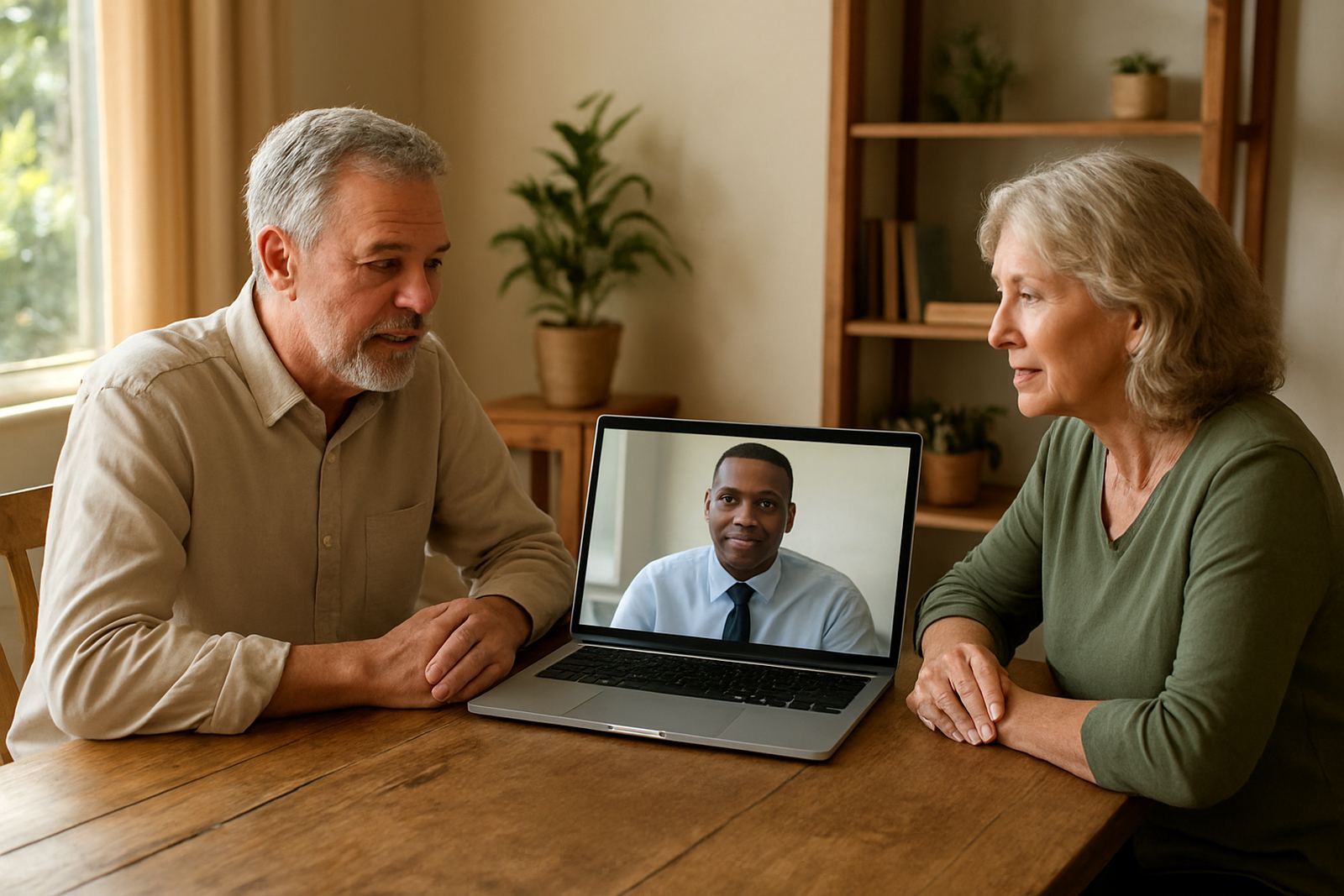
We keep the discussion practical. That may include who will act as trustee, how a business interest should be treated, what liquidity is needed for estate costs, and how retirement income will support the surviving spouse or dependants. If a family lives in different cities, we can hold the meeting by video and still keep it structured and useful.
- We explain the current plan in plain language
- We identify gaps, risks and unanswered questions
- We agree on next steps and who will do what
- We note any follow up work on wills, trusts or beneficiary checks
How do you handle retirement income planning?
Retirement income planning is about turning accumulated capital into a practical monthly income that can last. That means looking at spending needs, inflation, tax, investment risk, medical costs and the likely length of retirement. We also check how the income plan fits into the estate plan, because the two should not work against each other.
For many clients, the biggest concern is certainty. They want to know that cash flow will hold up through market swings and load shedding related costs, like backup power, security or water storage at home. We model different income ranges and review the plan regularly, especially after a large once off expense or a change in household support. It is better to adjust early than to make rushed changes later on.
What if the estate is short of cash?
This is a common issue, especially where most wealth is tied up in property or business interests. An estate may be asset rich but cash poor, which can delay administration and place strain on the family. Liquidity analysis helps us test whether there will be enough cash for debts, tax, executor costs and day to day expenses after death.
If a shortfall shows up, we look at practical ways to manage it. That may involve revising beneficiary choices, setting aside liquid investments, adjusting trust funding or planning for business continuity. The point is to avoid a forced sale of a family asset at a bad time. A clear plan now can spare the family a lot of pressure later on.
- Check debts, tax and estate admin costs early
- Match liquid assets to expected cash needs
- Review business ownership and loan accounts
- Keep beneficiary nominations consistent with the wider plan
How do we start if the family is not yet in agreement?
That is very normal. Many families begin with mixed views, especially where there is a business, second marriage, children from different relationships or unequal asset values. We start by gathering the facts and showing everyone the same picture. Once the numbers and legal position are clear, the discussion becomes much easier.
We can help by separating the stages. First comes asset mapping and document review. Then we identify options and consequences. Only after that do we move into decision making and drafting. The process is calm and measured, not rushed. If you need help in Stellenbosch, Cape Town, Paarl, Johannesburg, Durban or online, the first step is simply to send an enquiry through the contact form and book a time to talk.