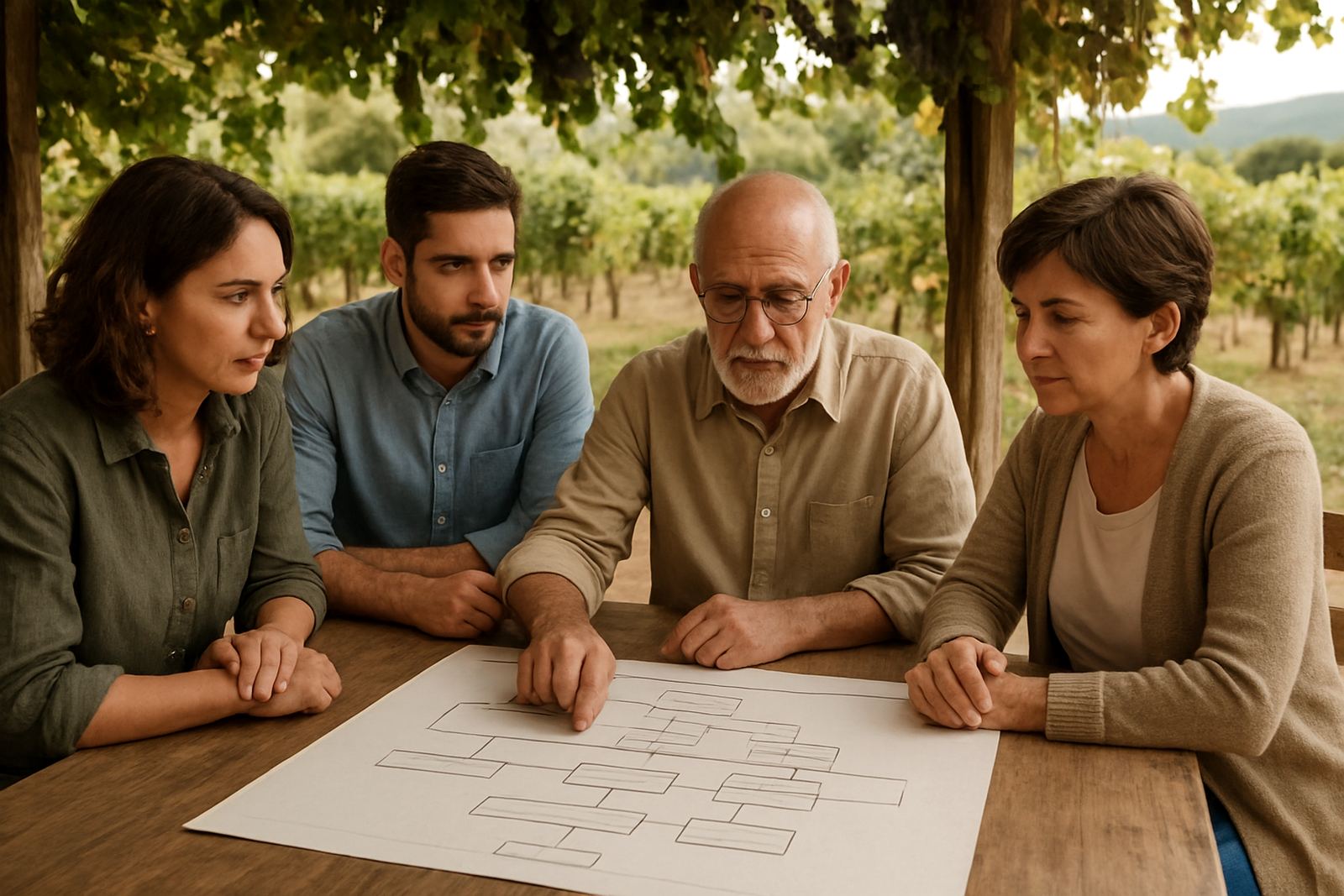


The brief from a Stellenberg family business
The family had built the business over many years and the next step was not about selling or splitting it up. It was about making sure the ownership structure, family expectations and day to day decision making were properly aligned before the next generation took a bigger role. They needed calm guidance, not a product pitch, and they needed the plan to work for both the business and the family home life that sat around it.
The brief covered estate planning, trustee responsibilities, succession timing and the practical detail of how value would move without upsetting operations. There were several family members involved, different views on control and a real concern that vague promises could create tension later. The client wanted clear steps, clear documents and a process that could be explained in plain language to everyone in the room.
- Client type: multi generation family business
- Town: Stellenberg, Cape Town metro
- Focus: governance, trustee roles, leadership transition
- Support required: estate planning and succession facilitation
What had to be solved before the handover
The biggest constraint was that the business could not stop trading while family matters were discussed. There were staff commitments, supplier deadlines and seasonal cash flow to protect. We also had to work within existing trust and ownership arrangements, which meant we could not simply redraw everything from scratch. A few assets were mixed between personal and business use, so clarity was needed on what belonged where and how each item should be treated in the final plan.
Another issue was family sensitivity. Some members wanted speed, others wanted certainty, and a few wanted to avoid difficult conversations altogether. That is normal in family businesses, but it does mean the process has to be structured properly. We set out the moving parts early, explained where legal documents mattered and where family agreement mattered, and made sure the discussion stayed practical. No one needed jargon or pressure, just a process they could trust.
- Business had to keep operating during the planning phase
- Ownership and personal assets needed clean mapping
- Existing trust structures had to be reviewed, not ignored
- Family discussion needed structure and clear meeting notes
What we supplied over six weeks
The project ran over six weeks from first meeting to final family briefing. In week one we completed an asset mapping exercise and gathered the existing wills, trust paperwork and company documents. In week two we tested the ownership picture, identified gaps and flagged where liquidity could become a problem if a death or incapacity event happened. By week three we had a working succession map that showed who would lead, who would support and where trustee involvement should sit.
Weeks four and five focused on the family meetings and trustee briefing. We prepared a plain English pack so everyone could follow the same facts, then sat through the decision points one by one. The final week was used for plan review, action lists and sign off on the items that needed legal or administrative follow through. The structure was careful, but it was not slow for the sake of being slow. The aim was to move decisions forward without creating regret later.
- Asset mapping across business and personal holdings
- Will coordination and estate planning review
- Trust structuring review with trustee role clarity
- Family meetings and trustee briefing sessions
- Succession facilitation with phased leadership steps
- Liquidity analysis for estate risk and business continuity
How the governance plan was shaped
We treated governance as the spine of the project. That meant defining who could make what decisions, how trustees would be briefed, and what the handover path would look like if the senior generation stepped back faster than expected. The plan also set out how disputes would be handled, so the family was not relying on memory or goodwill alone. When people know the process, they tend to speak more clearly and listen better, even when the topic is sensitive.
The trustee role was especially important. Rather than treating trustees as a box ticking exercise, we worked through what information they should receive, when they should receive it and how their duties should interact with the wider family plan. That reduced the risk of misunderstandings and helped the client see the trust as an active governance tool, not just a document sitting in a file. It also gave the younger generation a clearer picture of responsibility, which is often where confidence begins.
Results the family could work with
By the end of the project the family had a clearer leadership path, documented trustee responsibilities and a more practical view of what would happen if there was a death, illness or sudden change in control. The biggest result was not just paperwork. It was the sense that everyone was working from the same facts. The family could talk about succession without the usual confusion around ownership, timing and authority.
For the business, the plan reduced the risk of delay in a real transition. For the family, it created enough structure to keep conversations respectful and specific. The client also left with a review cycle, so the plan would be revisited as the business, family and asset mix changed. That matters because these matters do not stay still for long, especially when children, spouses and business partners all have a view.
- Leadership transition mapped in phases
- Trustee roles defined with clearer accountability
- Estate risk reduced through liquidity analysis
- Family communication improved through structured meetings
- Review cadence set for future plan updates
What we would do again for another family business
We would start the same way again: map the assets first, then deal with the people side of the plan. That order matters because it avoids emotional decisions being made before the facts are clear. We would also keep the trustee briefing separate from the family meeting where needed, since those are different conversations and should be handled that way.
For family businesses in Stellenbosch, Paarl, Cape Town or anywhere else in South Africa, this approach works well when the aim is continuity rather than drama. It gives owners a way to protect the business, keep the family informed and prepare the next generation without handing over too early or too vaguely. That is what this project was about from the start.
Key facts
| Client type | Multi generation family business |
|---|---|
| Town | Stellenberg, Cape Town metro |
| Timeline | 6 weeks |
| Core work | Estate planning, trust structuring and succession facilitation |
| Key meeting format | Family meetings and trustee briefings |
| Outcome | Phased leadership transition with clearer governance |
| Service areas | Stellenbosch, Cape Town, Paarl, Johannesburg, Durban and nationwide video consultations |