
When the farm is family, business and heritage all at once
For many farming families around Stellenbosch, Paarl, the Boland, the Western Cape, and further afield in Johannesburg or Durban, the real challenge is not just owning assets. It is deciding who runs the land, who benefits from it, and how to do that without turning every meal into a dispute. We work with owners who want practical answers about the farm house, top structures, irrigation rights, machinery, shares in the operating company and the cashflow needed to keep everything moving.
At Pass It On Create, Lukhanyo van der Merwe and the team help families talk through the hard parts calmly. That includes inheritance for children who farm and children who do not, how to treat second marriages, and how to protect a surviving spouse without freezing the business. The goal is not theory. It is a workable plan that fits the people, the land and the actual season you are in.
Typical assets and structures we map before anything gets signed
Farm estates are rarely simple. A family may hold land in one name, machinery in another entity, livestock in a trust, and a trading business in a company. There may be loan accounts, usufruct rights, water licences, storage sheds, staff accommodation and off-farm investments. Before a plan is put in place, we map what exists and where the pressure points are.
- Land parcels and title deeds
- Operating company shares and director roles
- Family trust holdings
- Livestock, equipment and vehicles
- Debt, sureties and bank facilities
- Retirement capital and personal investments
- Insurance proceeds and beneficiary nominations
This is also where many families discover mismatches, such as a will that does not match the trust deed or a business succession idea that was spoken about years ago but never written down. That gap can create tax costs, delays and bad feeling if someone passes away unexpectedly.
How we think about layout, ownership and day to day control
Some farms are run by one active child and supported by siblings who live in town. Others are still carried by parents in their late 60s or 70s, with no clear handover yet. We help you think through ownership and control separately, because they are not the same thing. A person can own an asset without managing it, or manage the business without owning the land.
Useful planning questions include: who signs supplier agreements, who replaces equipment after a breakdown, who has authority if load-shedding affects irrigation pumps or packing equipment, and who deals with municipal or water-use admin when deadlines come up. In coastal areas near Durban, humidity can also matter for storage and maintenance; inland, dust and heat can affect machinery timing and replacement cycles.
If the family wants fairness, it helps to define it properly. Equal does not always mean practical. One heir may continue farming full-time, while another receives other assets or a funded payout over time. That can be a cleaner solution than forcing a split of the land itself.
The planning tools that usually matter most
For farming families, the core tools are usually a will, trust structuring, beneficiary reviews, and a clear succession conversation. Retirement income planning also matters where the parents rely on the farm for income but may need more certainty as they step back. Megan Naidoo often looks at trust structures, while Anika Fourie and Sibusiso Dlamini handle estate and wealth conversations that need careful sequencing.
- Will coordination so the documents work together
- Trust structuring where land or shares should not pass directly
- Succession facilitation for family meetings
- Liquidity analysis to test whether estate duty, debts and costs can be paid
- Plan reviews after births, deaths, marriages or major asset changes
- Trustee briefings so duties and decision making are clear
A common mistake is leaving liquidity too thin. If the estate must pay taxes, settle debt and cover transfer costs, but the assets are all tied up in land, the family may be forced to sell at the wrong time. That is why the numbers matter before anyone makes promises around inheritance.
Family meetings that keep the conversation practical, not emotional only
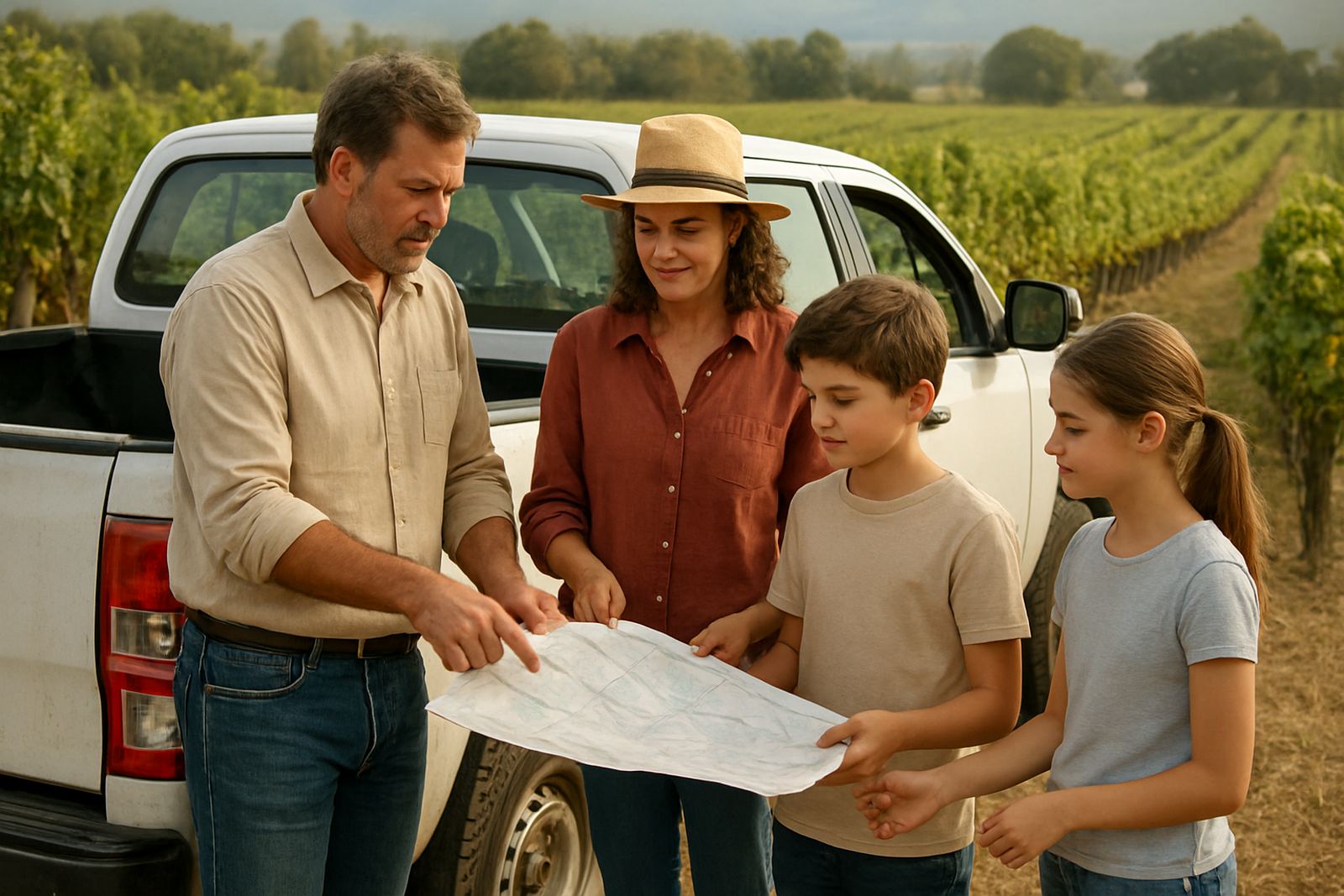
Many farming families wait too long to speak openly. By the time there is illness, a sale offer or a crop failure, everyone is under pressure. We help set up family meetings that focus on facts first: what the assets are, who depends on the income, which children want to stay involved, and what cannot be compromised. The tone stays calm and direct, because clarity is usually kinder than avoidance.
These conversations can include spouses, adult children and, where appropriate, trustees or business partners. We also cover what happens if one family member wants to buy out another, how voting rights work, and whether there should be a staged transition over 3 to 7 years instead of a sudden transfer. For some households, that staged approach is the only way to keep staff paid, suppliers steady and production on track.
Practical advice often reduces conflict faster than any speech. Put the rules in writing, keep roles separate, and make sure everyone knows where to find the documents if something happens suddenly.
Budget ranges and what families usually spend to get it right
Costs vary depending on how many entities are involved, whether there is a trust, and how much family discussion is needed. A simpler estate review with will coordination and a basic family meeting may start around R7 500 to R15 000. A fuller farm succession project, including asset mapping, liquidity analysis, trust review and multiple family sessions, often sits between R25 000 and R65 000. Larger or more complex structures with operating companies, inter vivos trusts and several properties can run higher.
It is usually cheaper to fix a structure before a death or dispute than after. The real cost of poor planning is often not the advice fee. It is delay, forced sales, tax friction and relationships that take years to repair. For families in Stellenbosch, Cape Town, Somerset West, Claremont or online nationwide, the first step is usually a structured review of what is already in place and what needs to change.
What farming families often get wrong
The most common mistake is assuming the family knows what the parent wanted. Another is putting all the value into the land and leaving no cash to settle the estate. Some families also forget to review old trust deeds, outdated beneficiary nominations or wills written before a new marriage or a new business venture. That can cause real problems later.
- Not matching the will to the trust and business structure
- Leaving no liquidity for debt, duty or transfer costs
- Avoiding the succession conversation until illness forces it
- Giving management power to one person without clear boundaries
- Ignoring the needs of spouses who are not active in the farm
Pass It On Create helps families avoid those traps with clear advice and a steady pace. The aim is simple: protect what has been built, keep the operation functioning, and hand it on in a way that feels fair enough to last.