Why farm succession becomes a family issue, not just a legal one
On many farms, the same asset carries three meanings at once: home, business and inheritance. That makes succession far more sensitive than a standard estate plan. One child may be working the land day to day while another lives in Johannesburg or Durban and expects an equal share of value. If that is not discussed early, even a well run operation can end up under pressure.
The first lesson is to treat succession as a family process with legal and financial steps attached. A will alone rarely answers who manages the farm, how debt will be settled, or how siblings will receive value without forcing a sale. Families need to look at ownership, management, tax, loan exposure and liquidity together, not in isolation.
Separate fairness from sameness in the family conversation
Farm families often say they want things to be fair, but fair does not always mean equal in the same form. One child may inherit equity in the farm and another may receive an investment portfolio, a holiday property share or a cash settlement. The real question is whether each person understands the logic and feels respected by it.
- Write down who is active in the business and who is not.
- Record what each family member has contributed over time, including unpaid labour and management.
- Decide what value can be passed on immediately and what must remain in the business for working capital.
- Put the reasons into a family note or meeting record so later decisions are easier to explain.
When people hear the reasoning before emotions rise, there is less room for assumptions. That is usually where the tension sits, not in the documents themselves.
Map the asset first, then decide how to hand it on
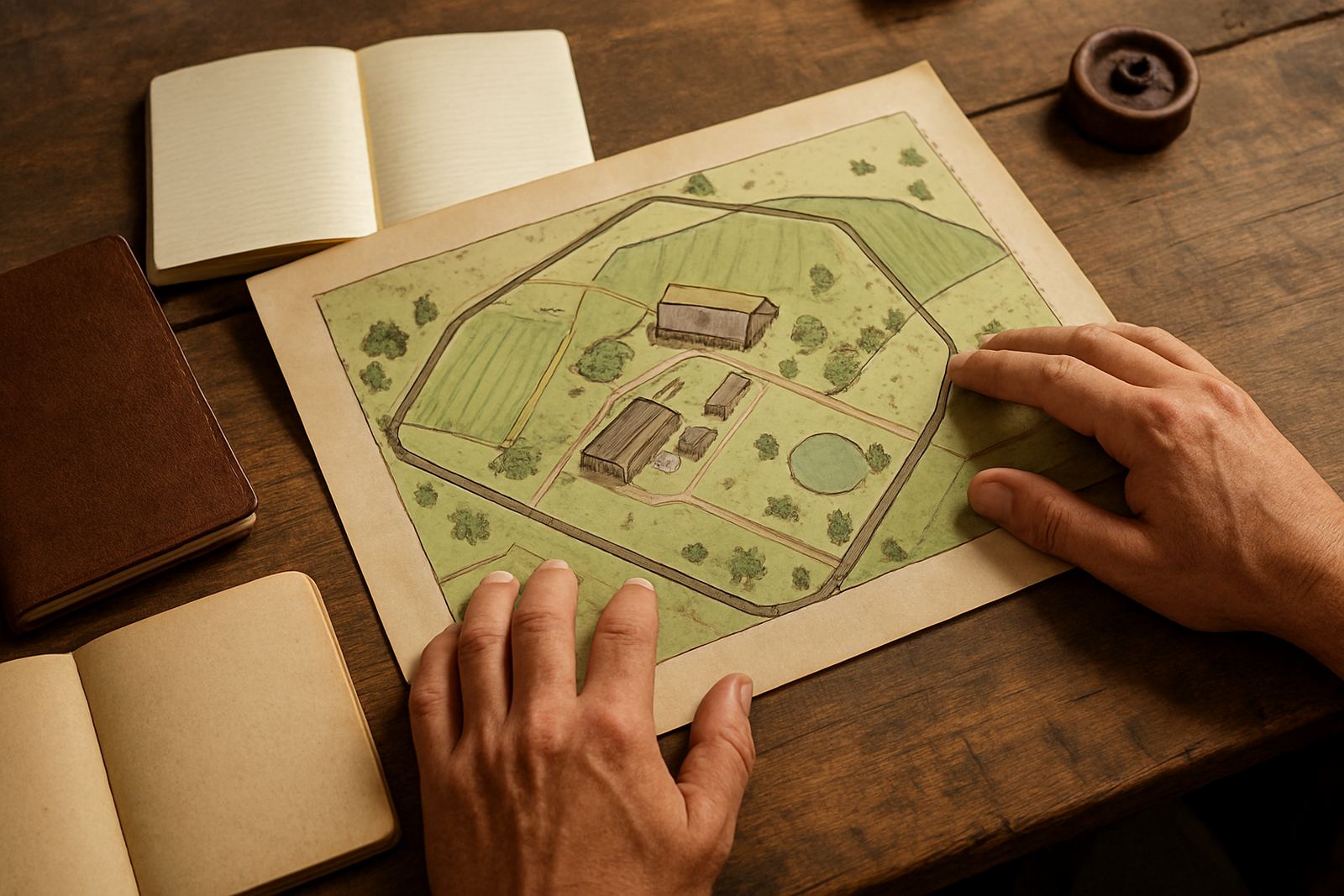
Many agricultural families know the land very well, but not always the full balance sheet. There may be registered land, livestock, equipment, water rights, debt, seasonal cashflow, personal sureties and family loans all sitting in one structure. Without a clear asset map, succession plans can miss the real pressure points.
In practice, a proper review should cover ownership, debt, insurance, dependants, trustees if a trust is involved and who is authorised to sign if a key person dies. The aim is not paperwork for its own sake. It is to see what can transfer cleanly and what needs support so the business does not stall during a difficult season.
- List every major asset and liability in one place.
- Check whether any land or equipment is personally owned rather than held in the business.
- Review policies and nominated beneficiaries so they match the current plan.
- Test whether cash would be available to settle costs without forcing a rushed sale.
Use trusts and wills together, not as separate fixes
For many families, a trust can help hold value across generations while a will directs personal assets and spells out wishes clearly. But a trust only works well when the trustees understand their duties and the documents are kept in step with the broader succession plan. If a farm family updates one document and leaves the rest behind, the gaps show up later.
Wills should be reviewed after births, deaths, marriages, divorces, land purchases and business changes. Trust deeds also need practical attention. Who can appoint trustees? How are decisions made? What happens if family members disagree? These are not theoretical questions on a working farm where planting windows, rain and bank deadlines wait for no one.
Clear trustee briefings can help families avoid confusion. So can a short note explaining the purpose of the structure in plain language, because not every family member speaks in legal terms. If the next generation understands why the structure exists, they are more likely to protect it.
Prepare the next generation for responsibility before the handover date
Succession fails when it is treated as a single event at the end of the founder’s career. The better approach is gradual transfer of knowledge, authority and accountability. That means letting the next generation attend lender meetings, understand budgets, see succession conversations and learn how to handle conflict without shutting down the room.
On a family farm near Stellenbosch, one father began holding monthly meetings with his daughter and two sons two years before stepping back. They reviewed seasonal costs, labour issues, equipment replacement and family expectations. It was not always comfortable, and there were moments of sharp disagreement. But by the time the formal handover came, everyone knew who would manage what, and why.
The lesson is simple: leadership is easier to hand on when it has already been practised in the open. Families should not wait for illness or a crisis to start the conversation.
Common succession mistakes that can break both fairness and continuity
Most farm succession problems come from delay, vague promises or one-sided planning. The strongest families still make mistakes when they try to keep everyone happy by saying very little. Silence can feel safe in the short term, but it usually creates a larger bill later.
- Assuming the oldest child will automatically take over.
- Leaving ownership and management in the same hands without a backup plan.
- Failing to fund estate costs, tax or debt repayments.
- Ignoring off-farm children who also expect recognition.
- Not documenting family agreements after meetings.
A practical succession plan does not remove emotion, but it does reduce uncertainty. It gives the family something concrete to work from when the weather, markets or health change unexpectedly. That is especially important for farming families who rely on timing and cashflow to keep going.
What a calm, workable farm succession plan should include
Every family is different, but a workable plan usually has the same moving parts. It sets out who owns what, who manages what and how value will be shared without harming the business. It should also allow for future reviews, because a plan written ten years ago may not fit the family structure today.
A useful plan usually includes these steps:
- A full asset and liability review.
- A will review and updated beneficiary nominations.
- Trust and ownership checks.
- Liquidity analysis to test estate costs and debt cover.
- Family meetings to explain the plan in plain language.
- Regular reviews after major family or business changes.
At Pass It On Create, the aim is to help families build wealth carefully, then hand it on with purpose. For agricultural families, that means protecting continuity without pretending fairness will happen by accident. It has to be planned, explained and reviewed as life changes.